
What Stories Live in the Bricks and Beams of Your Grandparents House?
Have you ever entered an old family home and felt a deep, stirring emotion? For instance, perhaps it was the gentle creak of a floorboard beneath your feet, the soothing smell of an old fireplace, or the familiar garden path that once echoed with laughter. In those moments, these details are not merely parts of a building; they hold cherished stories of the people who lived and loved there. However, family homes are much more than walls and roofs. They are living, breathing archives that carry the essence of your family’s history in ways that names and dates alone cannot convey.
Why Family Homes Matter in Genealogy
When we think about genealogy, we often picture official records and names. But family homes provide something much more tangible: a place where your ancestors’ lives unfolded, where their joys, struggles, and dreams came to life. Each room and every corner is filled with memories of their daily lives, celebrations, and challenges. Exploring these spaces allows you to:
- Step into the world your ancestor knew and connect with their environment personally.
- Understand how their living conditions shaped their experiences and resilience.
- Discover how your family’s story connects to the larger story of history.

How to Explore Your Family Home History
If you want to learn more about your family home’s past, here are some simple steps to get started:
- Visit the house or the location where it once stood. Checking out the area can help you feel more connected to the place. Neighbours or local historians may have interesting information to share.
- Look up property and census records. These documents reveal who owned the home and who lived there, along with details like jobs and family relationships. To find these records, you can use genealogy websites like Ancestry, Findmypast, and The Genealogists. Old maps can also show how the property changed over time, revealing not only physical alterations to the building and land but also changes in the surrounding area, such as shifts in the street layouts or the renaming of streets.
- Collect family stories and photos. Talking with relatives and examining old pictures can help you piece together the home’s history and the people who lived there.
Bringing Stories to Life: An Example
Imagine a house built in the 1920s, lovingly passed down through three generations. Property records show its changing ownership, census data introduces you to the people who called it home, and neighbours remember garden parties filled with laughter and the shared efforts of wartime vegetable growing. Meanwhile, family photos capture cozy moments by the fireplace, with smiles that transcend time. Together, these fragments create a vivid portrait of your ancestors’ lives, one that offers more insight than any official record.
Why This Matters
Exploring your family homes helps you understand your heritage. Ultimately, family history is more than just names on a chart; it includes the actual places where traditions developed, challenges were faced, and relationships were formed. Understanding these connections can enhance your research or assist with family-related matters.
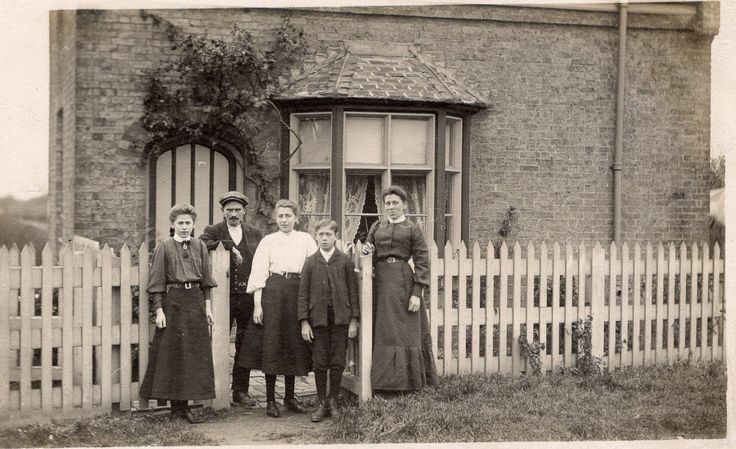
What The Walls Remember
The house built for you is more than just bricks and cement. It holds memories, stories, and information waiting to be discovered. Exploring the homes you ancestors lived in reveals new aspects of your family’s history and helps preserve the places that shaped your identity.
Discover More with Family Wise
Are you ready to dive deeper into your family’s history and explore the homes that shaped their lives? Family Wise offers expert support to help you uncover those hidden stories and preserve your heritage for future generations.
