
Do you have a song that instantly takes you back to a specific time in your life? Maybe it was the tune playing at a family wedding, the track blasting on your first car journey with friends, or the album your parents played on Sunday mornings while cooking a roast dinner. Music doesn’t just fill the air; it weaves itself into memory and identity.
This September marks the 50th anniversary of Bruce Springsteen’s album Born to Run, released in 1975. For many, it’s more than just a record; it’s a symbol of youth, freedom, and the struggles of everyday life. Its songs captured the dreams of a generation, especially those from working-class families trying to find their place in a changing world.

But here’s the thing: every generation has its “soundtrack.” Just as Springsteen spoke to young people of the 1970s, your ancestors also had the music of their time. And if you take a closer look, the music they loved tells you as much about their lives as census records or birth certificates
Life and Music in 1975
When Born to Run hit the shelves in 1975, Britain was in the middle of a turbulent decade. Families were dealing with economic uncertainty, high unemployment, and widespread strikes. The three-day working week had only recently ended, and power cuts were still a fresh memory. For many households, buying a record wasn’t just entertainment; it was a small act of joy during difficult times.
Young people flocked to record shops, swapping vinyl like treasures. Springsteen’s lyrics about breaking free and finding hope echoed not just in America, but across the Atlantic too. His songs became part of family stories, memories of dances, first loves, and long car rides.
What Your family and Ancestors Were Listening To
Your ancestors’ playlists looked very different from Spotify’s “Top 100.” In the 1800s, popular music came from folk songs passed down orally, broadside ballads sold for a penny, or church hymns that shaped community gatherings.
By the early 1900s, gramophones brought recorded music into middle-class homes, while working-class families often relied on pubs and music halls.
During wartime, music carried even more weight. Soldiers sang to keep spirits up in the trenches, while families at home listened to the wireless for comfort. Songs like We’ll Meet Again weren’t just melodies; they were emotional lifelines.
One Family Wise client discovered that their grandmother kept a diary during the Blitz, in which she wrote down the songs she heard on the radio each week. It wasn’t just a list of tunes; it was a record of resilience, proof that even in the darkest of times, music gave families hope.
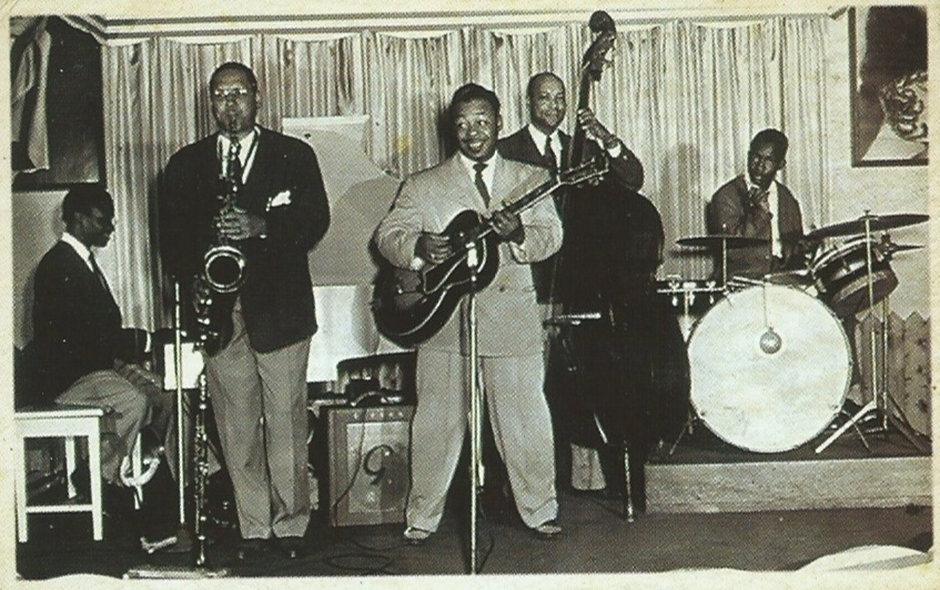
Family Stories Hidden in Music
Just as Born to Run captured the lives of young people in the 1970s, music from earlier generations reveals hidden truths about our ancestors.
- Occupational songs – Coal miners had their own ballads, passed down through communities, which now provide social historians with insight into working-class life.
- Migration songs – Irish emigrants carried folk songs across the Atlantic, embedding family experiences of loss and hope into their lyrics.
- Wartime music – Many genealogical discoveries are linked to songs sung by soldiers or broadcast on the Home Front.
In family history, it’s not unusual to uncover ancestors connected to music directly. Census records sometimes list musicians, organists, or choir masters. Even if your ancestors weren’t performers, music shaped their lives. Parish registers often list choirs, local festivals, and bands that were the pride of small towns.
Why This Matters
Looking at Born to Run fifty years on is more than a nostalgic trip, it’s a reminder of how music anchors family identity. The songs we listen to become markers of who we were, where we were, and what mattered most.
Your ancestors didn’t have Bruce Springsteen, but they had their own “Boss” whether it was a church organist, a travelling ballad seller, or a local folk hero whose songs still echo in regional traditions. Exploring these cultural layers adds richness to your family story.

A Genealogist’s Tip
If you’re curious about your ancestors’ musical lives, here are a few ways to explore:
- Check census records for occupations linked to music. Terms like “musician,” “organist,” or “music teacher” sometimes appear.
- Look into parish or community records, many listed choirs, bell ringers, and bands.
- Explore newspapers, local papers often advertised concerts, dances, and public performances where your ancestor might have been present.
- Ask relatives, stories about “the song Nan always sang” or “the band Grandad played in” are often hidden in family memory.
Bringing It Back to You and your Family
So next time you play your favourite song, think of it as part of your own living history. The 50th anniversary of Born to Run isn’t just about Bruce Springsteen; it’s about recognising that music is a bridge across time. It ties generations together, telling us who we were, who we are, and who we might become.
Ready to explore your family history? Get in contact today via our website! https://family-wise.co.uk/
