
Every October, glowing pumpkins grin from porches and windowsills, lighting up the autumn nights. But the story of the Jack-o’-lantern goes far beyond simple Halloween decoration; it’s a tale rooted in ancestry, folklore, and migration.
At Family Wise, we know that understanding your roots isn’t only about tracing names and dates. It’s about uncovering the customs, legends, and family traditions that connect us across generations. The history of the Jack-o’-lantern is one of those stories, and is a perfect example of how beliefs can travel, evolve, and illuminate our shared past.
Celtic Roots: The Family History of a Halloween Tradition
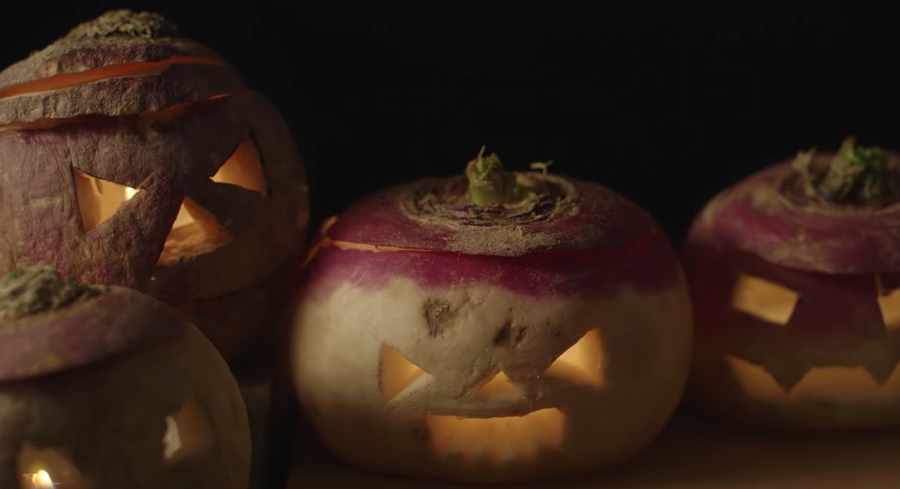
The earliest Jack-o’-lanterns weren’t pumpkins at all – they were carved turnips, beets, or potatoes. It is widely believed that they originated among the ancient Celts in modern-day Ireland and Scotland.
The Celts celebrated Samhain (pronounced sow-in), marking the end of the harvest and the start of winter. They believed that on the night of Samhain, the veil between the living and the dead grew thin, allowing spirits to roam freely.
To protect themselves and their homes, people carved fearsome faces into root vegetables and placed them near doorways or windows to ward off wandering souls.
In short, the first Jack-o’-lanterns may well have been:
- Carved from turnips and other root vegetables
- Used as spiritual protection, not decoration
- Part of a wider belief about ancestors and the afterlife
- Lit to guide friendly spirits and scare away harmful ones
These rituals were passed down through generations, creating a blend of faith, folklore, and family life that shaped how people understood the world around them.
The Legend of Stingy Jack
The word Jack-o’-lantern comes from an Irish folk tale about a trickster named Stingy Jack. According to legend, Jack invited the Devil for a drink but didn’t want to pay. He tricked the Devil into turning into a coin, then trapped him beside a silver cross. Jack eventually released the Devil, on the condition that he would never claim Jack’s soul. When Jack died, Heaven refused him entry, and Hell was off-limits, too. Condemned to wander the Earth, Jack carried a burning coal inside a hollowed-out turnip to light his way.
And so the Jack of the Lantern or Jack-o’-Lantern was born.
This story, told and retold by parents and grandparents across Ireland and Scotland, is a brilliant example of oral family history. Before records and registers, tales like this were how families shared moral lessons, cultural identity, and local belief systems.
How the Jack-o’-Lantern Crossed the Atlantic
In the 19th century, millions of Irish and Scottish immigrants carried their traditions to North America. When they arrived, they discovered something new, pumpkins.
Pumpkins were:
- Larger and softer than turnips (making them easier to carve)
- Ready in autumn
- Perfect for creating bright, glowing lanterns
Over time, the pumpkin replaced the turnip, and the modern Jack-o’-lantern was born.
This migration of traditions mirrors many ancestral journeys we uncover in genealogy research. Just as families adapted to new lands and lifestyles, so did their traditions. Much like surnames changing spelling over time or recipes being adapted to local ingredients, the story of the Jack-o’-lantern is one of transformation and adaptation, a theme found in nearly every family tree.
Family Traditions: The Ancestry of Customs and Beliefs
When tracing your family history, you may discover that many of your modern traditions, from recipes to holiday celebrations, have deep historical roots. The story of the Jack-o’-lantern is a wonderful example of how traditions endure, even when families move, change, and grow.
Think of how your ancestors might have:
- Lit candles to guide loved ones home
- Carved faces into turnips to honour the dead
- Told stories around the fire on dark autumn nights
Each of these actions carried meaning, just as carving pumpkins does today. Whether or not your family has Celtic ancestry, these rituals reflect a universal human desire to connect with the past, remember our loved ones, and keep the light burning through dark times.
What the Jack-o’-lantern Symbolises Today
Today, carving a pumpkin is a fun, creative family activity. Children design silly or spooky faces, parents help carve, and everyone enjoys seeing the candle glow at night.
But that glow represents more than just Halloween spirit, it’s a symbol of continuity:
- Light in the darkness, just as our ancestors hoped for protection on Samhain night
- Guidance for those we’ve lost, echoing ancient beliefs about the spirit world.
- Connection across generations, linking old folklore to new family memories
Just as we trace our lineage through records and DNA, we can trace traditions like this through the stories, symbols, and celebrations our ancestors passed down.

Connecting Genealogy and Tradition
So, the next time you light your Jack-o’-lantern, take a moment to reflect on where that tradition came from and how it travelled through time to reach you.
That small, flickering flame represents:
- The creativity of your ancestors
- The migration and adaptation of your family’s culture
- The stories that shaped who we are today
At Family Wise, we believe every tradition tells a story and every story connects us to the people who came before us.
Your family’s history, like the Jack-o’-lantern’s, deserves to shine brightly, illuminating the past and lighting the way forward.
