
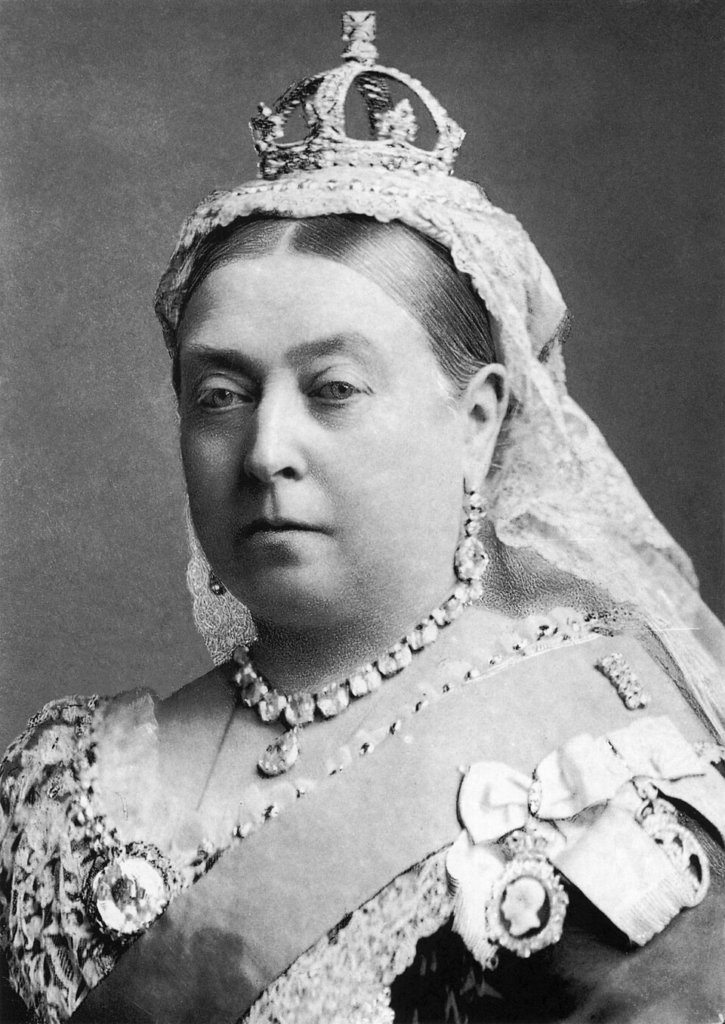
Imagine your Victorian great-grandmother pulling out her phone, hitting record, and sending a voice note: “Just checking in, darling. Hope you’re well. Also, did you hear about the Hendersons?” It’s a funny image, isn’t it? Yet, in terms of the impulse behind it, the need to reach out, connect, and share the small and large moments of life, she would have understood it perfectly. The technology is unrecognisable. The human need hasn’t changed at all when it comes to communication.
Ink, Paper, and Patience
Not long ago, staying in touch with family meant using pen and paper and really taking your time. Letters were written thoughtfully, often over several days, with every word chosen carefully. There was no room for mistakes; crossing things out felt messy. The finished note was meant to be read slowly, enjoyed, and sometimes even shared aloud.
For families separated by distance, especially in the 19th and early 20th centuries when millions emigrated from places such as Ireland, Italy, Poland, and India, letters were more than a means of communication, they were a lifeline. Messages often took weeks to arrive, and replies took just as long. During those long silences, people learned to wait, often taking no news as a sign that all was well.
These letters were often prized possessions. They were kept in tins, tied with ribbon, and carefully preserved. People would revisit them years later, sometimes long after the writer had died. Holding a letter from a great-grandparent carries a special weight, the ink faded, the paper fragile, yet still somehow full of life, as if a piece of them has been kept alive through time.
The Telephone Communication Changes Everything
When telephones became common in homes in the mid-20th century, they transformed family life. For the first time, people could hear each other’s voices and share news as it happened. Birthdays could be celebrated in real time, and the distance between feeling something and telling loved ones about it suddenly grew much smaller.
Calls were still expensive, especially over long distances, so families used them sparingly. Sunday evenings often became the time for a weekly call to Mum, Grandma, or a sibling far away. There was a ritual to it: waiting for off-peak rates, gathering by the hallway phone, and asking everyone else to keep quiet so you could hear clearly.
Even then, each call felt thoughtful and important.
The Digital Communcation Leap
The arrival of email in the 1990s, followed by texting, smartphones, and social media in the 2000s and 2010s, didn’t just change how families communicate, it changed how often and how easily they do it. The barriers disappeared.
Now, a thought can be shared instantly. A funny video, a meme that reminds you of a cousin, or a quick photo of lunch travels in seconds. Family WhatsApp groups have become a constant presence, messages flowing in and out all day, with replies, reactions, and the occasional burst of emojis keeping everyone lightly connected.
Video calls brought something important back: seeing each other. During the COVID-19 pandemic, many families realised just how much that mattered. Grandparents met new grandchildren on screens, birthdays were celebrated on Zoom, and everyday life was shared across distance. It wasn’t perfect, but it kept people close when they couldn’t be together.
What Commucation We’ve Gained and What We’ve Lost
It would be easy to get nostalgic and declare that old letters were better, more meaningful, more considered. And in some ways, they were. The effort involved in writing one was itself a form of love. A letter demanded your full attention. It couldn’t be sent by accident with one thumb while doing something else.
But it’s worth being honest: the old ways were also slow, and silence was often painful. Waiting weeks for news from a child who had emigrated, not knowing if they were safe, was its own particular worry. Instant communication has replaced that with something far easier to live with.
What we may have lost is the ritual. Letters were written with care and meant to be kept. Most digital messages today are short-lived, hidden in old chats or lost when phones change or accounts are closed. Future generations won’t find our WhatsApp conversations saved in boxes.
The Thread That Runs Through All Communcation
A Victorian great-grandmother didn’t have voice notes, but she still sat down, dipped her pen, and wrote those feelings by hand. The way we use communication has changed completely, but the meaning behind it hasn’t really shifted.
So next time you send a quick “thinking of you 💙” to someone in your family, remember you’re part of something much bigger. It’s a long chain of connection stretching back through telephone calls, telegrams, and handwritten letters all driven by the same simple need: to reach across the distance and feel close to each other.
Whether you’re curious about your ancestors, trying to find a long-lost relative, need help understanding your DNA results, or have received one of our purple envelopes about a potential inheritance, our friendly team at Family Wise is here for you, every step of the way. Get in contact today!
