
On the 8th of September 2022, Queen Elizabeth II died at Balmoral Castle and the world suffered the loss not only of a head of state but also of a living link between Britain and nearly a century of its own history. Having reigned for more than 70 years – the longest of any British monarch – her life provides a striking example of the way in which genealogy influences destiny, identity, and even the tiniest aspects of family tradition.
An Unexpected Heir
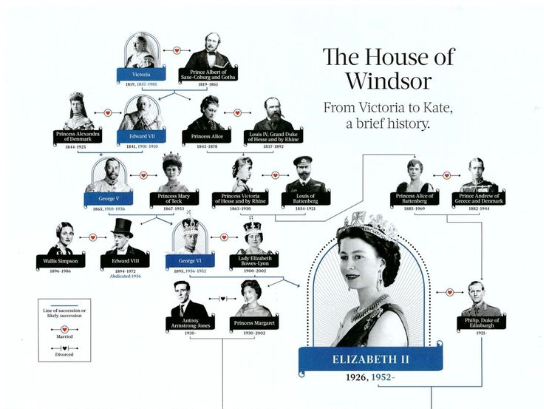
Elizabeth was born on 21 April 1926 in Mayfair, London, as the first child of Prince Albert, Duke of York, and Lady Elizabeth Bowes-Lyon. She was not anticipated to become queen at the time of her birth, since her uncle, Edward VIII, was the heir to the throne and Elizabeth’s father was only third in line; it was Edward’s decision in December 1936 to abdicate so that he could marry the American divorcée Wallis Simpson that suddenly changed the order of succession, upon which Elizabeth’s father became King George VI and the ten-year-old Elizabeth became the next in line.
It shows one of the most important lessons in the study of genealogy that one choice, whether it involves marrying or deciding not to marry, has the power to have far-reaching effects that span several generations and to totally alter a family’s future.
People who research families often notice this kind of pattern among ordinary families as well – the move to a new country, a second marriage, or a contested inheritance – decisions which appear to be purely personal at the moment but which in the end determine who the descendants will become.
The Queens Windsor Line
The history of Elizabeth’s family is one of transformation. Her paternal lineage traces back to the House of Saxe-Coburg and Gotha, a German royal family name that her grandfather, George V, altered to “Windsor” in 1917 during the First World War. This change serves as a reminder that surnames are historical artifacts, selected and modified for reasons that future generations may need to investigate to comprehend. On her mother’s side, Elizabeth Bowes-Lyon, the Queen’s heritage is deeply rooted in Scottish nobility, linking her to the Earls of Strathmore and Kinghorne, and even further back into a network of British noble families that genealogists continue to reference today when tracing the lines of aristocracy and royalty.
Marriage and the Next Generation
In 1947, Elizabeth tied the knot with Prince Philip of Greece and Denmark, who was a great-great-grandson of Queen Victoria, making them third cousins. This union highlights the close connections among European royal families by the 20th century. Prior to their wedding, Philip gave up his Greek and Danish titles and adopted the surname Mountbatten, illustrating how names and titles were often modified to meet dynastic and political requirements.
Elizabeth became queen on 6 February 1952, following her father’s passing while she was on a Commonwealth tour in Kenya. She was officially crowned at Westminster Abbey on 2 June 1953. Throughout the subsequent decades, she and Philip welcomed four children: Charles, Anne, Andrew, and Edward. Each of these children would eventually establish their own branches of the family tree, which have since garnered significant public and genealogical interest.
A Reign of Records
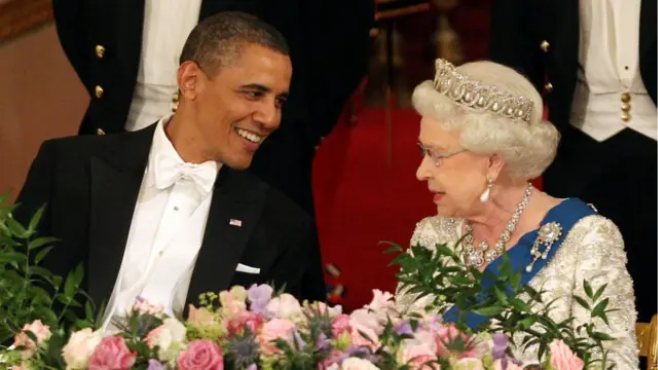
Elizabeth’s reign lasted an impressive 70 years and 214 days, during which she worked with fifteen British prime ministers, ranging from Winston Churchill to Liz Truss. Over the decades, she engaged with numerous American presidents and global leaders. She observed the dissolution of the British Empire and the expansion of the Commonwealth, experienced the advent of television in royal affairs (notably being the first monarch to have her coronation televised), and navigated the digital era that brought her family’s history into the public eye like never before.
In 2015, she made history by becoming the longest-reigning monarch in British history, surpassing her great-great-grandmother, Queen Victoria. Victoria was a significant figure in the royal lineage, with her descendants ascending to thrones throughout Europe, earning her the title “the grandmother of Europe.”
Crests, Coats of Arms, and the Language of Heraldry
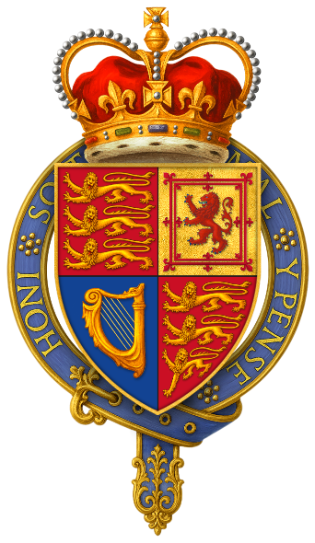
For genealogists, few elements convey a family’s narrative as vividly as a coat of arms, and the Queen’s is among the most recognizable globally. In 1944, Elizabeth was granted her own arms as a princess: a shield featuring the same essential symbols that would accompany her throughout her reign, distinguished by a heraldic “label” of three points indicating she was not yet the sovereign. The center point showcases a Tudor rose, while the outer two display a St George’s cross, a symbol historically used to differentiate an heir’s arms from those of a reigning monarch.
Interestingly, a slightly altered version of the Royal Standard is displayed in Scotland, prioritizing the Scottish lion rampant in the first and fourth quarters instead of the English lions. This small yet significant detail illustrates how heraldry can be tailored to reflect regional identity, even within the arms of a single family. This principle is frequently observed in family history research: crests and arms were never merely ornamental; they served as legal and genealogical declarations, intentionally modified to indicate lineage, precedence, or changes in status, much like George V’s choice to rename the family “Windsor” as a strategic move for identity management during a tumultuous period.
Why Family History Matters
The narrative of the Queen exemplifies, in many respects, an intensified version of what every family possesses: names that evolve over time, marriages that redirect a lineage, and unforeseen events – such as an abdication, emigration, or a missing record – that can alter everything for future generations. While few of us have a family tree as meticulously documented as the Windsors, this is precisely why professional genealogical research is essential. Parish records, ship manifests, military service documents, and marriage certificates encapsulate the same crucial moments for everyday families that historians examine in royal archives. At Family Wise Ltd, located on the High Street, we assist clients in uncovering these narratives within their own families – whether it involves tracing a surname through the ages, unraveling a family legend, or simply creating a cherished record for generations to come. The life of Queen Elizabeth II serves as a reminder that every family, whether royal or not, is influenced by the decisions and situations of those who preceded them.
